
Obsessive-compulsive disorder (OCD)
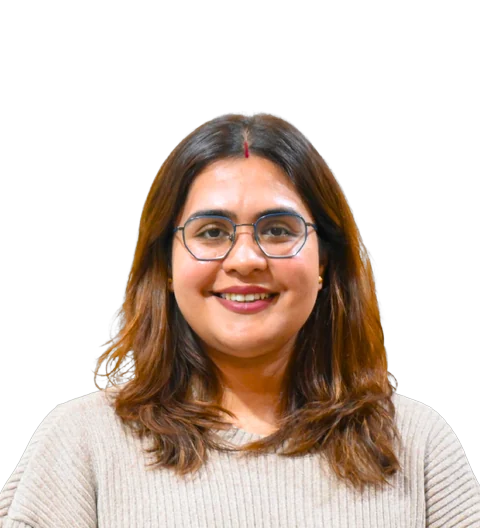 Clinically reviewed by Dr. Barkha ChikaraReviewed 9 November 2026
Obsessive-compulsive disorder is a medical condition in which unwanted thoughts keep returning (obsessions) and you feel driven to repeat actions or mental rituals (compulsions) to ease the distress. It takes up time and disrupts life. It is treatable with exposure and response prevention therapy.
About 1 in 10 adults in India lives with a mental disorder (National Mental Health Survey, 2015-16). You are not alone.
At a glance
Common signs
- Intrusive, unwanted thoughts
- Repetitive behaviours or mental acts
- Rituals to reduce anxiety
- Excessive cleaning or checking
How it is usually treated
- Exposure and Response Prevention
- CBT
- SSRIs
- Acceptance and Commitment Therapy
Where to start
A free pre-consultation call, then a video assessment with a psychiatrist. In danger? Call 112, or Tele-MANAS on 14416.
Book your free pre-consultation callRegistered clinicians: psychiatrists with their State Medical Council, psychologists with the Rehabilitation Council of India.
Care for Obsessive-compulsive disorder at Mindly: key facts
- Who treats it
- Mindly psychiatrists (MD in psychiatry) assess and treat obsessive-compulsive disorder, and clinical psychologists registered with the Rehabilitation Council of India provide talk therapy.
- Where
- Across India. Patients abroad can also consult, under India's Telemedicine Practice Guidelines.
- Languages
- Care in 11 Indian languages, including English, Hindi, Kannada, Tamil, Telugu and Malayalam.
- Format
- Video consultation from home or work. Mindly is online only: it is not a hospital OPD and has no clinic to visit.
- First step
- A free pre-consultation call, then a video assessment. The clinician takes your history, explains what they find in plain words and agrees a plan with you.
- Hours
- Open every day, 9 am to 8 pm IST, except public holidays.
- Cancellation
- Please give at least 4 hours' notice if you need to cancel or reschedule.
- Emergencies
- Mindly is not an emergency service. In danger, call 112. For free support at any hour, call Tele-MANAS on 14416.
Signs
Tick any that feel familiar. This is not a diagnosis, only a clinician can assess you.
0 ticked. If these have been with you for a while, a free pre-consultation call is a good next step.
Book your free pre-consultation callHow people often describe it
- “I cannot stop checking things again and again”
- “I wash my hands too much”
- “Unwanted thoughts keep coming and I cannot stop them”
- “I have to do things a certain way or something bad will happen”
People who live with obsessive-compulsive disorder may also notice depression, generalised anxiety or tics. If any of these sound familiar, mention them to your clinician so your plan can cover them.
How common is OCD in India?
Indian community data on OCD are limited. A review in the Indian Journal of Psychiatry (Reddy, Rao and Khanna, 2010) noted that only one epidemiological study from India was available at the time. It found a lifetime prevalence of about 0.6%, lower than the 2 to 3% reported in European and North American studies. The authors called for more Indian research, and figures differ between surveys depending on how OCD is measured.
Whatever the exact number, OCD is a recognised condition and it is treatable.
When to get help soon
Get help soon if OCD is taking over your day or you have thoughts of harming yourself. Call Tele-MANAS on 14416 or 112.
How it is diagnosed
A psychiatrist asks what the thoughts are, which rituals follow, how much time they take and what you avoid. Many people hide OCD for years out of shame, so say as much or as little as you like at first.
OCD treatment in India
- Exposure and response prevention (ERP) is the main talk therapy: you face a feared thought or situation step by step without doing the ritual
- CBT and acceptance and commitment therapy are also used
- ERP can be delivered by video
At Mindly, psychologists who focus on OCD can deliver ERP by video, and a psychiatrist can review whether medication would help.
How Mindly helps
Your first video consultation is with a psychiatrist, in your language, to understand your thoughts and rituals and agree a plan. All care is online, by video.
Your first appointment
A psychiatrist maps your thoughts, urges and rituals, how much time they take, and how they affect work, study and family life.
Who is involved
Care often combines medicine with exposure and response prevention (ERP), led by your psychiatrist and a clinical psychologist.
Between sessions
You track rituals between sessions, and your plan is reviewed as things change.
Read next
- What is OCD? Signs and treatment
- OCD in children: signs parents can notice
- OCD or just being careful? How to tell the difference
What to expect
- Free pre-consultation callWe take your history and details, and match you with the right clinician.
- First consultationA video call in your language, with a clinician who already has your report.
- Your planYour clinician agrees a plan with you: therapy, medicine or both, as suits you.
- Follow-up reviewsRegular check-ins, and your plan is adjusted as you recover.
- Staying wellSupport to keep you well and catch early signs of a setback.
Every Mindly plan includes a second opinion from our Chief Medical Officer, a diagnosis-first approach and regular tracking of your recovery. How Mindly care works
Book your free pre-consultation callYour privacy and confidentiality. What you share with Mindly Health stays between you and your care team. Your conversations, reports and messages are treated as confidential and shared only with the team members involved in your care, apart from the limited cases where the law requires it or someone's safety is at serious risk. Read our Privacy Policy and your rights under the Mental Healthcare Act.
Common questions
Is OCD curable?
OCD is treatable. With ERP, most people see a large drop in symptoms, and some reach remission. Results vary, so ask your psychiatrist what to expect.
What is ERP therapy?
ERP means gradually facing feared thoughts or situations (exposure) without doing the compulsion (response prevention). It is the best-supported talk therapy for OCD.
Are religious or harm thoughts a sign I am dangerous?
No. Unwanted thoughts of this kind are common in OCD, and people with OCD are distressed by them, not likely to act on them. A psychiatrist can help.
If you or someone near you is in danger, call 112. For free support at any hour, call Tele-MANAS on 14416. Mindly Health is not an emergency service.
Clinicians with a focus in this area
 Dr. Nevedita DasPsychiatrist - Telepsychiatry & Evidence-Based Care
 Dr. Samarth S ShettyPsychiatrist
 Ms. Kamakshi SabharwalClinical Psychologist
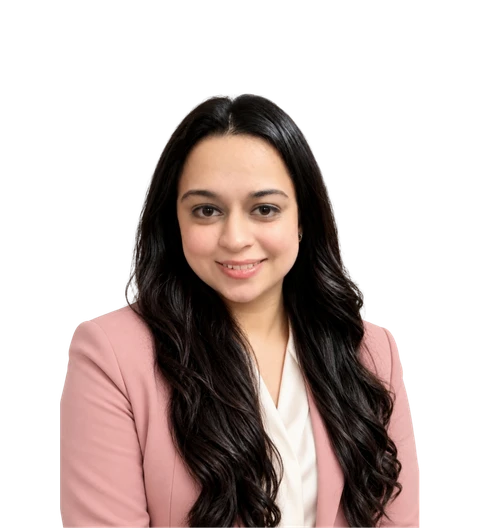 Ms. Janvi KhokharClinical Psychologist
 Dr. Pooja RaniPsychiatrist
Clinicians who speak your language for OCD
See which Mindly clinicians treat OCD in your language.
- Hindi-speaking clinicians
- Kannada-speaking clinicians
- Tamil-speaking clinicians
- Telugu-speaking clinicians
- Malayalam-speaking clinicians
- Bengali-speaking clinicians
- Odia-speaking clinicians
- Tulu-speaking clinicians
- Assamese-speaking clinicians
Online care in your city
Every consultation is by video, from wherever you are. Choose your city to see how it works.
Sources
- NIMHANS
- White Swan Foundation: OCD
- NIMHANS National Mental Health Survey
- NHS: Obsessive compulsive disorder (OCD)
- Reddy, Rao and Khanna: An overview of Indian research in OCD (Indian Journal of Psychiatry, 2010)