
Kannada-speaking psychiatrists and psychologists for psychosis and schizophrenia, online
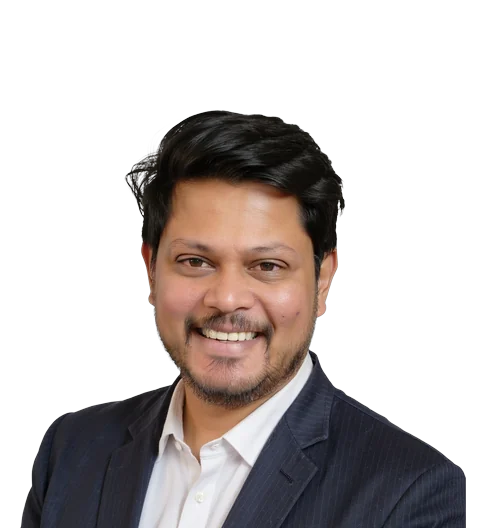 Clinically reviewed by Dr. Vineet PaliReviewed 8 November 2026
Yes. Mindly has 2 Kannada-speaking clinicians who treat psychosis and schizophrenia by video consultation, from anywhere in India. Start with a free call and we match you to the clinician who fits.
Last updated 8 November 2026
Kannada-speaking clinicians who treat psychosis and schizophrenia
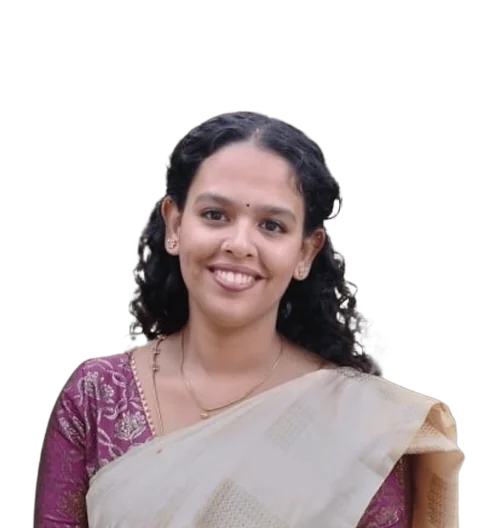 Dr. Divya GurunathanPsychiatrist · Registration no. TNMC 156112Speaks English, Kannada, Tamil, Malayalam.
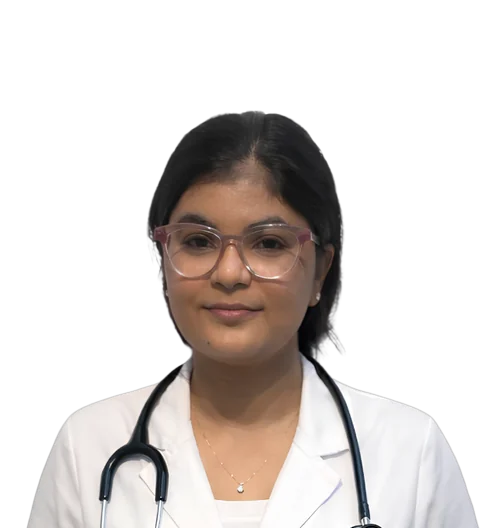 Dr. Pooja RaniPsychiatrist · Registration no. KMC 129565Speaks English, Hindi, Kannada, Telugu.
We match you on your free call, without promising a specific person.
Why Kannada matters for psychosis and schizophrenia
In Karnataka, as elsewhere, families may first look for spiritual or traditional explanations when someone begins hearing voices, becomes suspicious or withdraws. Words such as bhrame (delusion) and huchchu (madness) circulate widely and add shame. A Kannada-speaking psychiatrist can explain, in plain terms the family will accept, that psychosis is a medical condition with effective treatment and that early care improves the outlook. Two Mindly psychiatrists speak Kannada and list psychotic disorders. The family's part is large: medicine adherence, spotting early warning signs and reducing stress at home are all things relatives can help with, once they understand.
What a first consultation in Kannada looks like
A Kannada consultation for psychosis often includes a relative as well as the patient. Your psychiatrist will ask about what the person has experienced, sleep, and any safety concerns, and will explain the diagnosis and treatment in everyday Kannada. They will talk through antipsychotic medicine, what side effects to watch for, and how often reviews should happen.
Before your first Kannada consultation
If you are a relative, write down what you have noticed, when it began and what has helped. Bring old prescriptions or reports. If the person is willing, they should join the call, and if not, you can call us first for guidance. Call 112 if anyone is in danger.
When a family member needs Kannada-speaking psychiatric care
Hearing voices, strongly held unusual beliefs, or sudden withdrawal can be frightening for the person and the family. Often the relatives make the first call. Tell us what you have noticed, when it started, and whether sleep, alcohol or drugs are involved. A Kannada-speaking psychiatrist can explain the illness and options in language the whole family understands, which matters for sticking to treatment. If there is danger to anyone, call 112 or go to the nearest hospital now. Longer term, care usually combines medicine, family support and a plan for work or study.
Follow-up and everyday practicalities
After an initial assessment, regular reviews check symptoms, sleep, side effects and general health. Families are encouraged to learn the early warning signs, such as poor sleep, withdrawal or growing suspicion, and to call the team early. If the person is reluctant to attend, a relative can speak to the clinician first. Plan for follow-ups to be kept even when the person feels well, because stopping treatment too soon is a common reason for relapse.
What online care for psychosis and schizophrenia involves
Care for psychosis begins with understanding what the person has experienced, how long, and whether substances, medical illness or mood disorder contribute. Regular reviews check symptoms, sleep and physical health. The fuller outline of care is on our Psychosis page.
Psychiatrist or psychologist for psychosis and schizophrenia?
A psychologist can add therapy, rehabilitation and family work as recovery progresses. See how the roles differ.
Related reading
- Psychosis
- Kannada-speaking psychiatrist online
- Find care by language and concern
- Kannada-speaking clinicians for anxiety
Book your free pre-consultation call
What you share is confidential. See our Privacy Policy.
Common questions
Is this a spiritual problem or a medical one?
Many families look at both. Psychosis is a medical condition that responds to treatment, and getting medical help early is important. Your family's beliefs can still be respected alongside treatment.
Can a person recover?
Many people recover well, particularly with early treatment, regular follow-up and family support.
What if the person refuses to see a doctor?
Please call us. We can advise how a relative might approach them gently. In an emergency, call 112.
Which Kannada-speaking psychiatrists can help?
The two psychiatrists listed above speak Kannada and list psychotic disorders on their profiles.
References
Mindly Health is not an emergency service. If someone is in immediate danger, call 112 or go to the nearest hospital. For free support at any hour, call Tele-MANAS on 14416.