
Kannada-speaking psychiatrists and psychologists for anxiety, online
Yes. Mindly has 2 Kannada-speaking clinicians who treat anxiety by video consultation, from anywhere in India. Start with a free call and we match you to the clinician who fits.
Last updated 8 November 2026
Kannada-speaking clinicians who treat anxiety
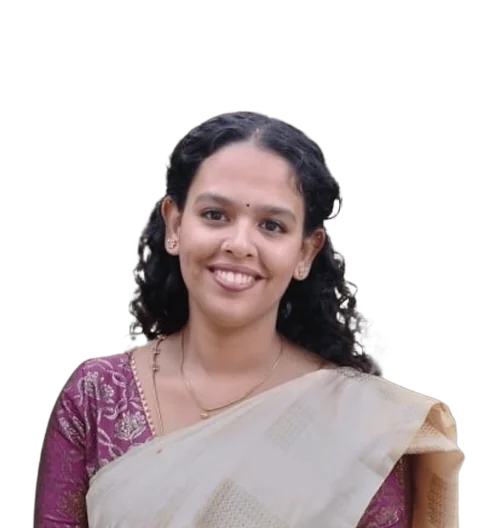 Dr. Divya GurunathanPsychiatrist · Registration no. TNMC 156112Speaks English, Kannada, Tamil, Malayalam.
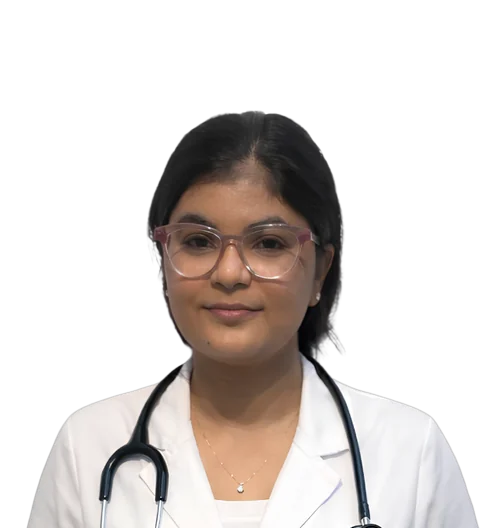 Dr. Pooja RaniPsychiatrist · Registration no. KMC 129565Speaks English, Hindi, Kannada, Telugu.
We match you on your free call, without promising a specific person.
Why Kannada matters for anxiety
In Kannada, anxiety usually arrives as chinte, bhaya, gaabari, or "tension" borrowed straight from English. Bengaluru's workplaces run in English, but many people go home to Kannada, and the way a person talks about fear at home is often the more honest version. Physical symptoms such as chest tightness, stomach trouble or a pounding heart are usually mentioned first, and the worry behind them later. A Kannada-speaking clinician can follow either. This matters especially for people who moved to Bengaluru from smaller towns in Karnataka, where English is a second or third language and mental health words are scarce. Two Mindly clinicians speak Kannada and list anxiety.
What a first consultation in Kannada looks like
Your first Kannada consultation covers when the worry began, what sets it off and what you do to cope. You can use English words for technical terms and Kannada for everything else. After the assessment, your clinician will outline the options, which usually include CBT-based therapy and, if needed, medicine, and explain what to expect in the first weeks.
Before your first Kannada consultation
Note when the chinte or gaabari starts, what you do to cope, and what you avoid. Include your sleep, caffeine and any medicines. If you are more comfortable describing things in Kannada but have English test reports or prescriptions, bring both, as your clinician can read them.
Talking about anxiety in Kannada
Worry about exams, jobs, health or family can sit in the body as pressure in the chest, shaky hands or broken sleep. In Kannada you can describe these sensations without translating them first, and the clinician can then ask how often they occur and what sets them off. Many people in Karnataka juggle Kannada, English and sometimes Tulu or Hindi in a single day, so tell us which language feels easiest for private feelings. Before the call, write down when the worry is worst. Treatment may include therapy, medicine or both, and follow-up is by video.
What online care for anxiety involves
Care for anxiety starts with an assessment of what the worry looks like, how long it has lasted, and whether another condition, such as thyroid problems, caffeine use or depression, is playing a part. A psychiatrist may suggest medicine, such as an SSRI, when anxiety is severe or has not eased with therapy, and explains how long it takes to work. The fuller outline of care is on our Anxiety disorders page.
Psychiatrist or psychologist for anxiety?
See a psychiatrist if anxiety is severe, comes with low mood or sleeplessness, or if you want to know whether medicine could help. See how the roles differ.
Related reading
- Anxiety disorders
- Read about anxiety in Kannada
- Kannada-speaking psychiatrist online
- Find care by language and concern
- Kannada-speaking clinicians for depression
Book your free pre-consultation call
What you share is confidential. See our Privacy Policy.
Common questions
Can I use a mix of Kannada and English in the consultation?
Yes. Most people do. Your clinician will follow whichever language lets you describe things most clearly.
Is <i>chinte</i> the same as an anxiety disorder?
Everyone worries. It is a disorder when worry is frequent, hard to switch off, out of proportion, and affects sleep, work or relationships. A clinician can help you judge.
Which Kannada-speaking clinicians treat anxiety?
The clinicians listed above speak Kannada and list anxiety on their profiles. After a free call we match you with the one who fits.
Will medicine be necessary?
Not always. Many people improve with therapy and lifestyle changes. Medicine is discussed when symptoms are severe or therapy alone has not been enough, and your psychiatrist explains the benefits and risks first.
References
Mindly Health is not an emergency service. If someone is in immediate danger, call 112 or go to the nearest hospital. For free support at any hour, call Tele-MANAS on 14416.