
Tamil-speaking psychiatrists and psychologists for bipolar disorder, online
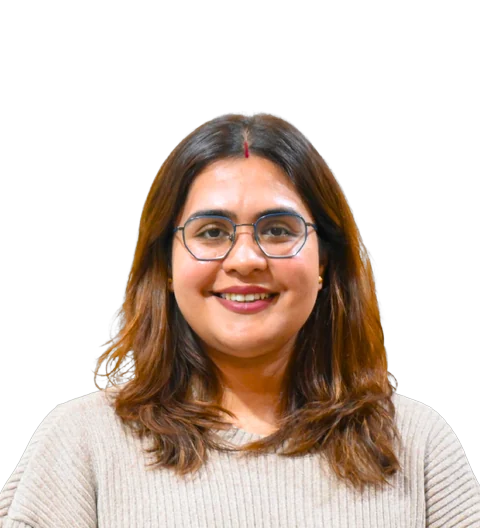

Yes. Mindly has 2 Tamil-speaking clinicians who treat bipolar disorder by video consultation, from anywhere in India. Start with a free call and we match you to the clinician who fits.
Last updated 8 November 2026
Tamil-speaking clinicians who treat bipolar disorder
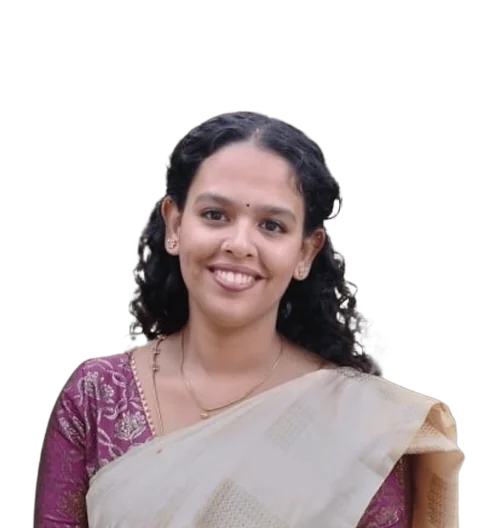 Dr. Divya GurunathanPsychiatrist · Registration no. TNMC 156112Speaks English, Kannada, Tamil, Malayalam.
 Dr. Samarth S ShettyPsychiatristSpeaks English, Hindi, Kannada, Telugu, Tamil, Tulu.
We match you on your free call, without promising a specific person.
Why Tamil matters for bipolar disorder
In Tamil-speaking families, the high phase of bipolar disorder is easily misread as kobam (anger), arrogance or even a good stretch of energy, while the low phase is read as laziness. People typically come to a doctor in the low phase and are treated for depression, which can make the high phase worse if a bipolar pattern is missed. Getting an accurate picture means hearing about how little the person slept, how fast they talked, how they spent money, and how they behaved at home, and relatives often describe this best in Tamil. Two Mindly psychiatrists speak Tamil and list bipolar disorder.
What a first consultation in Tamil looks like
Your first consultation in Tamil builds a timeline of moods, drawing on your account and, if you wish, a family member's. Your psychiatrist will ask about sleep, energy, spending and past treatment, explain whether bipolar disorder is the likely diagnosis, and talk through mood-stabilising options and how often to review.
Before your first Tamil consultation
Draw a rough timeline of low and high periods with notes on sleep, spending and temper. If a family member saw the high periods, ask them to join part of the call. Bring previous prescriptions and recent blood tests if you have them.
Tamil-speaking support for bipolar disorder
People with bipolar disorder may feel unusually energetic and sure of themselves for days, then crash into low mood. When you speak with a Tamil-speaking psychiatrist, describe both sides: how little you needed to sleep, how quickly you talked or spent, and how the lows felt. Relatives often spot early warning signs, so inviting one to part of the call can help. Medicine for mood stability may need blood tests, which you can arrange at a lab near you. Your psychiatrist will also plan what to do if you notice signs of relapse.
Follow-up and everyday practicalities
Ask your psychiatrist to explain which medicines are used, how long they take to work and what blood tests are needed. Keep a daily record of sleep and mood. Agree with a relative what changes should trigger an early call, such as several nights of very little sleep with high energy. Reviews on video can be short and frequent in the early months, so that adjustments are made quickly and safely.
What online care for bipolar disorder involves
Care for bipolar disorder starts with a careful history of both low and high periods, because treating low mood without recognising bipolar disorder can worsen the illness. Regular reviews by video allow follow-up of mood, sleep and side effects, and your psychiatrist will agree a plan for what to do in a crisis. The fuller outline of care is on our Bipolar disorder page.
Psychiatrist or psychologist for bipolar disorder?
Bipolar disorder needs a psychiatrist, as the main treatment is medicine and it needs monitoring. See how the roles differ.
Related reading
- Bipolar disorder
- Tamil-speaking psychiatrist online
- Find care by language and concern
- Tamil-speaking clinicians for anxiety
Book your free pre-consultation call
What you share is confidential. See our Privacy Policy.
Common questions
How can I tell bipolar disorder from depression?
In bipolar disorder there are also periods of unusually high or irritable mood and energy. That history changes which medicines are safe and helpful, so please mention any such periods.
Can relatives join the consultation?
Yes, if you agree. A family member's account of the high periods is often valuable.
Do I have to stay on medicine long-term?
Bipolar disorder often needs long-term care to prevent relapse, but the plan is made with you and reviewed regularly.
Which Tamil-speaking psychiatrists treat bipolar disorder?
The two psychiatrists listed above speak Tamil and list bipolar disorder on their profiles.
References
Mindly Health is not an emergency service. If someone is in immediate danger, call 112 or go to the nearest hospital. For free support at any hour, call Tele-MANAS on 14416.