
Malayalam-speaking psychiatrists and psychologists for trauma and PTSD, online
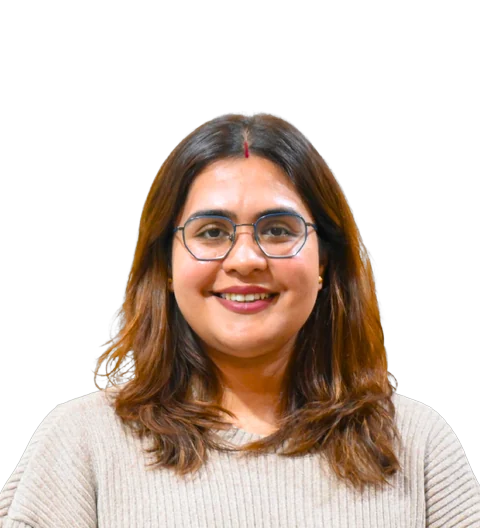 Clinically reviewed by Dr. Barkha ChikaraReviewed 8 November 2026
Yes. Mindly has 2 Malayalam-speaking clinicians who treat trauma and PTSD by video consultation, from anywhere in India. Start with a free call and we match you to the clinician who fits.
Last updated 8 November 2026
Malayalam-speaking clinicians who treat trauma and PTSD
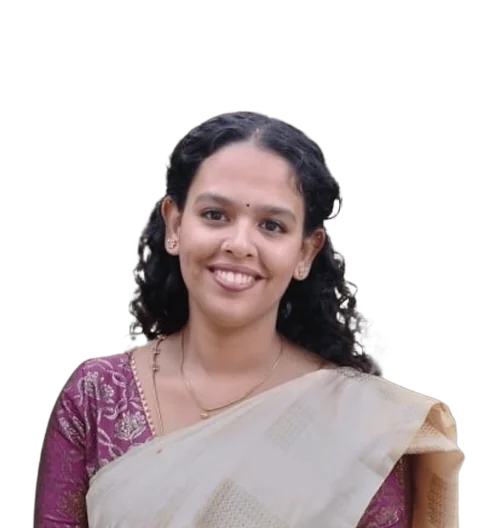 Dr. Divya GurunathanPsychiatrist · Registration no. TNMC 156112Speaks English, Kannada, Tamil, Malayalam.
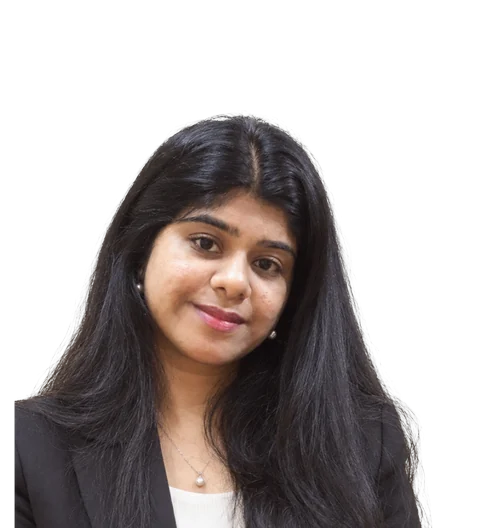 Ms. Liji VijayanClinical Psychologist · RCI CRR no. A102506Speaks English, Malayalam.
We match you on your free call, without promising a specific person.
Why Malayalam matters for trauma and PTSD
After a flood, a road accident, an assault or the loss of someone close, many Malayalis say they are aaghaatam (in shock) and then carry on, because the expectation is to be strong. Months or years later the nightmares, the startle, the avoidance of certain places or the numbness may still be there. Kerala has also seen widespread disasters in recent years, and trauma may sit in a family without ever being named. Being able to speak Malayalam with a clinician who does not rush the telling helps people to start. Two Mindly clinicians speak Malayalam and list trauma, a psychiatrist who lists PTSD and a clinical psychologist who lists complex trauma.
What a first consultation in Malayalam looks like
Your first Malayalam consultation focuses on safety and on how symptoms affect you now. You will not be pressed for details of what happened. Your clinician will explain what trauma-focused therapy involves and, where useful, how medicine might help with sleep or mood, and you decide the starting point.
Before your first Malayalam consultation
You do not need to prepare an account of what happened. Think about what you want help with now, such as sleep, nightmares, avoiding certain places or feeling numb. Choose a private room, and tell your clinician if you want to pause. If you need urgent help, call 112.
Trauma care in Malayalam, without being rushed
Painful events can leave a person on edge, sleeping badly, avoiding reminders or feeling cut off. You can begin by describing today's difficulties rather than the event. A Malayalam-speaking clinician sets the pace with you and can slow or pause a session whenever you ask. If you live with others, find a room where you will not be overheard, and tell the clinician if privacy is difficult. Treatment may include trauma-focused therapy and help with sleep or mood. Follow-up is by video, so you can continue even if you move cities.
Follow-up and everyday practicalities
Before each session, decide on a signal you can use to ask for a pause. Keep a glass of water close and sit somewhere that feels safe, with the door closed if possible. After the call, do something calming and ordinary for a few minutes. Your clinician will check how you are sleeping and whether nightmares or jumpiness are easing, and will adjust the plan if they are not.
What online care for trauma and PTSD involves
Care for trauma begins with building safety and trust, then an assessment of symptoms such as intrusive memories, nightmares, avoidance, startle and low mood. Sessions can be paused or slowed at any point, and your clinician agrees a plan for what to do if you feel overwhelmed. The fuller outline of care is on our Post-traumatic stress disorder page.
Psychiatrist or psychologist for trauma and PTSD?
Trauma-focused therapy is usually led by a psychologist or a psychiatrist trained in it. See how the roles differ.
Related reading
- Post-traumatic stress disorder
- Malayalam-speaking psychiatrist online
- Find care by language and concern
- Malayalam-speaking clinicians for anxiety
Book your free pre-consultation call
What you share is confidential. See our Privacy Policy.
Common questions
What is complex trauma?
Complex trauma follows repeated or long-lasting harm, often in childhood or in a relationship. It may affect trust, emotions and sense of self. A clinical psychologist can help assess and treat it.
Is it too late to get help for an old event?
No. People seek help for trauma many years later and benefit.
Do I need to see both the psychiatrist and the psychologist?
Not necessarily. Some people start with therapy, others with a medical assessment. Your clinician will say if adding the other would help.
Is trauma therapy safe over video?
For many people it is, especially at home in a private space. If a session becomes distressing, your clinician will help you settle. If you are in danger call 112.
References
Mindly Health is not an emergency service. If someone is in immediate danger, call 112 or go to the nearest hospital. For free support at any hour, call Tele-MANAS on 14416.