
Hindi-speaking psychiatrists and psychologists for trauma and PTSD, online
 Clinically reviewed by Dr. Barkha ChikaraReviewed 8 November 2026
Yes. Mindly has 4 Hindi-speaking clinicians who treat trauma and PTSD by video consultation, from anywhere in India. Start with a free call and we match you to the clinician who fits.
Last updated 8 November 2026
Hindi-speaking clinicians who treat trauma and PTSD
- Dr. Barkha ChikaraPsychiatrist · Registration no. RMC 50914Speaks English, Hindi.
 Dr. Dhritiman DasPsychiatrist · Registration no. OCMR (Odisha) 26418/2021Speaks English, Hindi, Bengali, Odia, Assamese.
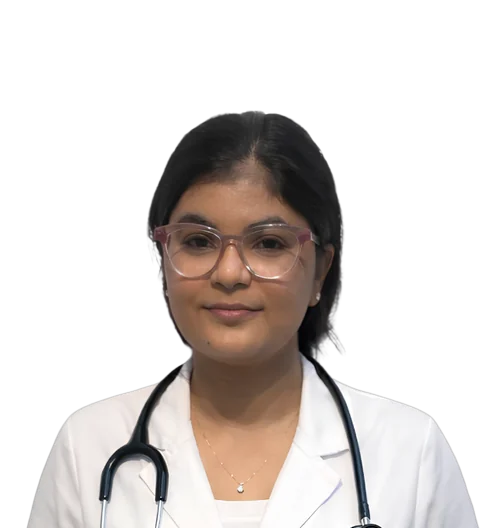 Dr. Pooja RaniPsychiatrist · Registration no. KMC 129565Speaks English, Hindi, Kannada, Telugu.
 Ms. Janvi KhokharClinical Psychologist · RCI CRR no. A114758Speaks English, Hindi.
We match you on your free call, without promising a specific person.
Why Hindi matters for trauma and PTSD
Many Hindi speakers carry trauma that was never named as such: an accident, violence at home, a loss, abuse, or years of fear in a workplace or marriage. The language to describe it is often missing. People say sadma, dimag mein baat atak gayi, or "woh din bhoolta nahi". Trauma care depends on a clinician who can pace the conversation gently, and who can hear what is said in a person's first language without making them relive it in a second one. Four Mindly clinicians speak Hindi and list trauma or PTSD. You decide how much to share and when, and nobody will ask for details before you are ready.
What a first consultation in Hindi looks like
The first Hindi consultation is about safety and pace, not about retelling events. Your clinician will ask how trauma-related symptoms show up now: nightmares, startling, numbness, avoidance, flashbacks. They will explain what treatment options exist, which can include trauma-focused therapy and, for some symptoms, medicine, and let you choose a starting point.
Before your first Hindi consultation
You do not need to prepare an account of what happened. It is more useful to think about what you want help with now, whether sleep, nightmares, fear in certain places or feeling numb. Choose a private room, keep water nearby and tell your clinician if you want to pause. A trusted person can be in the next room.
Going at your own pace with trauma, in Hindi
You do not need to describe what happened in the first session, or at all, before treatment begins. Hindi-speaking clinicians start with how things affect you now: sleep, nightmares, jumpiness, avoiding certain places or people, feeling numb. The pace is set with you, and sessions can pause or slow if it becomes too much. It helps to find a private room, keep water nearby, and plan a small quiet activity after the call. Say at the start if someone at home might overhear, so the clinician can adjust how questions are asked.
What online care for trauma and PTSD involves
Care for trauma begins with building safety and trust, then an assessment of symptoms such as intrusive memories, nightmares, avoidance, startle and low mood. The first-line treatments are trauma-focused therapies, which help the mind process the event at a manageable pace, and you are never pushed to share more than you choose. The fuller outline of care is on our Post-traumatic stress disorder page.
Psychiatrist or psychologist for trauma and PTSD?
Trauma-focused therapy is usually led by a psychologist or a psychiatrist trained in it. See how the roles differ.
Related reading
- Post-traumatic stress disorder
- Hindi-speaking psychiatrist online
- Find care by language and concern
- Hindi-speaking clinicians for anxiety
Book your free pre-consultation call
What you share is confidential. See our Privacy Policy.
Common questions
Do I have to describe what happened?
No. In the first sessions you share only what you are comfortable with. Trauma-focused therapy has a careful structure so that you are never pushed to relive events before you have coping skills.
Is PTSD only for soldiers and disaster survivors?
No. PTSD can follow any event that felt threatening, including accidents, assault, medical emergencies and childhood abuse. Symptoms persisting for more than a month are worth assessment.
Can trauma be treated online?
Yes. Many people find it easier to begin at home, in a safe and private room. If a session is distressing, your clinician has steps to help you settle. If you are in immediate danger, call 112.
Which Hindi-speaking clinicians treat trauma?
The clinicians listed above speak Hindi and list trauma-related disorders on their profiles. After a free call we suggest the best match.
References
Mindly Health is not an emergency service. If someone is in immediate danger, call 112 or go to the nearest hospital. For free support at any hour, call Tele-MANAS on 14416.