
Bengali-speaking psychiatrists and psychologists for bipolar disorder, online

Yes. Mindly has one Bengali-speaking clinician who treats bipolar disorder by video consultation, from anywhere in India. Start with a free call and we confirm their availability for you.
Last updated 8 November 2026
Bengali-speaking clinician who treats bipolar disorder
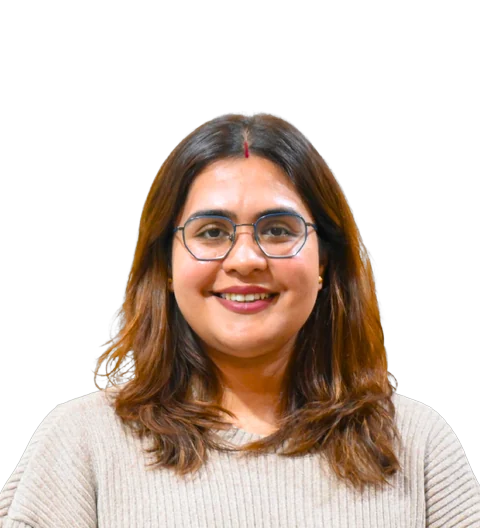
 Dr. Dhritiman DasPsychiatrist · Registration no. OCMR (Odisha) 26418/2021Speaks English, Hindi, Bengali, Odia, Assamese.
Only one Mindly clinician currently lists both this language and this concern, so on your free call we confirm availability and, if the timing does not suit you, suggest the next best option.
Why Bengali matters for bipolar disorder
In Bengali-speaking families bipolar disorder is often mistaken for two things: depression when the mood is low, and a difficult temper or restlessness when it is high. Weeks of withdrawal, mon kharap and tiredness may be followed by days of talking fast, sleeping little, spending freely or starting too many plans. The highs may feel good to the person and may even be admired, and families sometimes fear that a diagnosis will carry a stigma, such as being called pagol. Talking it through in Bengali, with a relative present if you wish, helps explain that this is a medical condition with treatment and follow-up.
A practical point for Bengali speakers: the medical vocabulary around mood is mostly English, so words like "mania", "mood stabiliser" and "relapse" can feel remote. Your clinician explains each one in Bengali, once, in plain terms, and checks that you and your family have understood before moving on. That matters most in bipolar disorder, because long-term care depends on everyone recognising early warning signs such as shorter sleep or racing plans, and acting on them quickly.
What a first consultation in Bengali looks like
The first Bengali consultation goes through your mood history in detail: the lowest times, any stretches of unusual energy or little sleep, how work and relationships were affected and what others noticed. Your psychiatrist will ask about family history, alcohol or other substances and earlier treatment. Relatives are welcome to add what they saw, with your agreement. At the end you receive an explanation in Bengali, a view on whether bipolar disorder is likely and the first steps, including tests and follow-up where medicine is planned.
Before your first Bengali consultation
Look back at the past few years and note the months when you slept very little but felt full of energy or spent far more than usual, and the months when everything felt heavy. If a family member remembers these times, invite them to join. Have a list of earlier medicines ready, and recent blood reports if you have them.
Bipolar disorder in Bengali: sharing both sides
A consultation in Bengali lets you describe highs and lows in your own words. Try to recall periods of very little sleep with a lot of energy, fast talk, big plans or spending, and the lows that followed. Relatives can often describe changes you did not notice, so consider asking one to join part of the call. Treatment usually includes mood-stabilising medicine with regular review, and a plan for early warning signs. Blood tests, where needed, can be done at a laboratory near you in West Bengal or elsewhere.
What online care for bipolar disorder involves
Treatment centres on medicine to stabilise mood and prevent relapse, along with psychoeducation about sleep, routine, early warning signs and what to do if they appear. Regular reviews by video allow follow-up of mood, sleep and side effects, and your psychiatrist will agree a plan for what to do in a crisis. The fuller outline of care is on our Bipolar disorder page.
Psychiatrist or psychologist for bipolar disorder?
Bipolar disorder needs a psychiatrist, as the main treatment is medicine and it needs monitoring. See how the roles differ.
Related reading
- Bipolar disorder
- Bengali-speaking psychiatrist online
- Find care by language and concern
- Bengali-speaking clinicians for OCD
Book your free pre-consultation call
What you share is confidential. See our Privacy Policy.
Common questions
Is bipolar disorder just mood swings?
No. Everyone's mood changes. Bipolar disorder involves distinct periods of low mood and of unusually high or irritable mood that last days or weeks and change sleep, energy and behaviour.
Can bipolar disorder be treated online in Bengali?
Yes. Assessment and follow-up work well by video, and your psychiatrist will tell you which tests are needed if medicine is started.
Is a Bengali-speaking psychiatrist available for bipolar disorder?
One Mindly psychiatrist currently lists both Bengali and bipolar disorder. We confirm availability on the free call.
Will people call my relative <i>pagol</i>?
A diagnosis stays between you, your clinician and whoever you choose to tell. Bipolar disorder is a common, treatable condition, and good care is about helping a person live well, not about labels.
References
Mindly Health is not an emergency service. If someone is in immediate danger, call 112 or go to the nearest hospital. For free support at any hour, call Tele-MANAS on 14416.